
Optimising Your Sleep: Tools & Tips for Better Rest

Quality sleep plays an important role in both physical and mental health. It supports memory, concentration, mood, immune function, and overall wellbeing. Yet many Australians experience difficulty falling asleep, staying asleep, or waking feeling refreshed.
While occasional sleep disruption is common, consistently poor sleep can affect your daily life and may contribute to long-term health concerns. The good news is that healthy sleep habits can often make a significant difference.
Why Is Sleep Important?
Sleep is essential for allowing the body and brain to rest and recover. During sleep, your body supports important processes including:
- Physical recovery and tissue repair
- Memory consolidation and learning
- Hormone regulation
- Immune system function
- Emotional wellbeing and mood regulation
Adults generally require between 7 and 9 hours of sleep each night, although individual needs can vary.
Create a Sleep-Friendly Environment
Your bedroom can have a significant impact on the quality of your sleep.
Consider the following tips:
- Choose a comfortable mattress and pillows that suit your preferred sleeping position.
- Keep your bedroom cool, quiet, and well ventilated.
- Use block-out curtains or an eye mask if light is disruptive.
- Reduce unwanted noise by using earplugs or white noise if needed.
- Keep your bedroom tidy and free from unnecessary distractions to create a more relaxing space.

Establish a Consistent Sleep Routine
Maintaining regular sleep habits helps support your body's natural sleep-wake cycle.
You may find it helpful to:
- Go to bed and wake up at the same time each day, including weekends.
- Allow yourself time to unwind before bed.
- Read a book, listen to calming music, or practise relaxation techniques.
- Avoid stimulating activities immediately before bedtime.
Consistency is often more beneficial than trying to "catch up" on sleep after a poor night's rest.
Limit Screen Time Before Bed
Electronic devices such as smartphones, tablets, computers, and televisions emit blue light, which may interfere with the body's natural production of melatonin—the hormone that helps regulate sleep.
To help prepare your body for sleep:
- Avoid screens for at least 30 to 60 minutes before bedtime where possible.
- Use your device's night mode or blue light filter in the evening.
- Consider reading a book or listening to relaxing audio instead of scrolling through social media.
Can Sleep Technology Help?
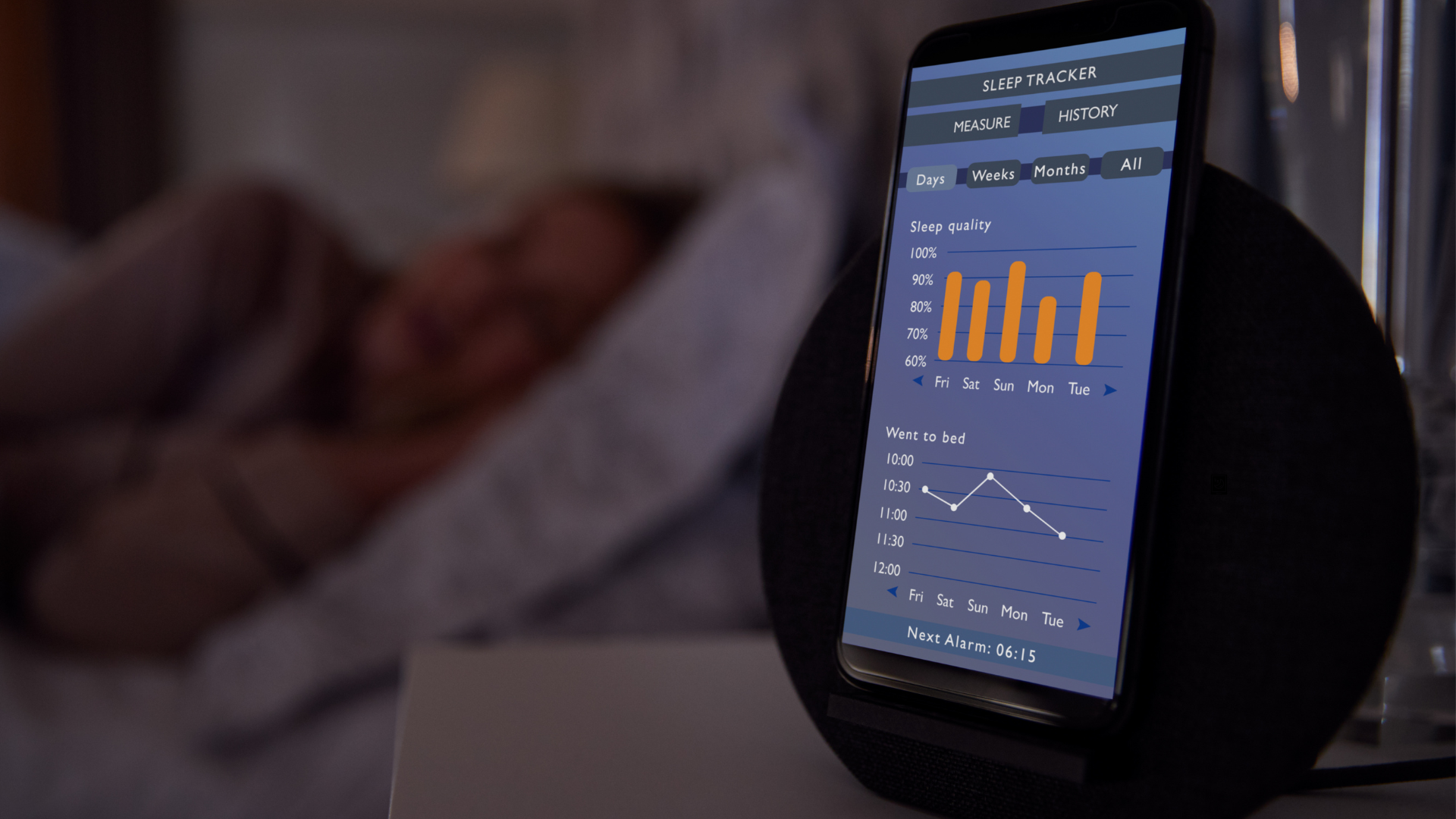
Some people find sleep technology useful for building healthy sleep habits.
Options include:
- Sleep tracking devices or wearable fitness monitors
- Meditation and relaxation apps
- White noise machines
- Smart lighting that gradually dims in the evening
While these tools may provide helpful insights, they should not replace medical assessment if you have ongoing sleep concerns.
Can Sleep Technology Help?
Some people find sleep technology useful for building healthy sleep habits.
Options include:
- Sleep tracking devices or wearable fitness monitors
- Meditation and relaxation apps
- White noise machines
- Smart lighting that gradually dims in the evening
While these tools may provide helpful insights, they should not replace medical assessment if you have ongoing sleep concerns.
Be Mindful of Food and Drinks
What you consume throughout the day can influence your sleep.
Consider these healthy habits:
- Limit caffeine later in the day, including coffee, tea, energy drinks, and cola.
- Avoid nicotine close to bedtime, as it can make falling asleep more difficult.
- Try not to eat large or heavy meals immediately before going to bed.
- Stay hydrated throughout the day, while avoiding excessive fluids late in the evening if frequent overnight bathroom visits interrupt your sleep.
- Limit alcohol before bedtime, as it can reduce overall sleep quality even if it initially makes you feel sleepy.
Stay Physically Active
Regular physical activity has been shown to support better sleep for many people.
Aim for at least 30 minutes of moderate exercise on most days of the week.
If possible, complete vigorous exercise earlier in the day, as exercising too close to bedtime may make it harder for some people to fall asleep.
Gentle stretching or light yoga in the evening may also help promote relaxation.

Manage Stress Before Bed
Stress and anxiety are common contributors to poor sleep.
Helpful relaxation strategies may include:
- Deep breathing exercises
- Meditation or mindfulness
- Gentle yoga
- Keeping a journal to write down thoughts or worries before bed
- Listening to calming music or guided relaxation
Finding a routine that helps you unwind may improve both the quality and consistency of your sleep.
When Should You Speak to a Doctor?
Occasional poor sleep is common, but ongoing sleep problems should not be ignored.
Consider speaking with a healthcare professional if you:
- Have difficulty falling or staying asleep for several weeks
- Frequently wake feeling unrefreshed
- Experience excessive daytime tiredness
- Snore loudly or someone notices you stop breathing during sleep
- Feel your sleep is affecting your work, relationships, or daily activities
A doctor can assess your symptoms, identify possible underlying causes, and discuss appropriate management options.
How Telehealth Can Help
If you're experiencing ongoing sleep concerns, a telehealth consultation with an Australian-registered doctor can be a convenient first step.
Your doctor can discuss your symptoms, review your medical history, provide advice on healthy sleep habits, and determine whether further assessment, investigations, or treatment may be appropriate based on your individual circumstances.
Prioritise Your Sleep
Improving your sleep doesn't usually happen overnight, but small, consistent changes can make a meaningful difference over time.
Creating healthy sleep habits, maintaining a regular routine, and seeking medical advice when needed can all help support better sleep and overall wellbeing.