What can you actually use telehealth for?

Telehealth has become an increasingly common way for Australians to access healthcare. While many people associate telehealth with repeat prescriptions or medical certificates, it can support a much broader range of healthcare needs.
For many non-emergency medical concerns, a telehealth consultation with an Australian-registered doctor can provide convenient access to medical advice, assessment, and ongoing care—without the need to attend a clinic in person.
What Is Telehealth?
Telehealth allows you to consult with a healthcare professional using secure technology, such as a phone or video appointment.
Depending on your symptoms and medical history, a doctor can assess your concerns, provide medical advice, discuss treatment options, and determine whether further investigations or an in-person examination are required.
While telehealth is suitable for many health concerns, it is not appropriate for medical emergencies or conditions that require a physical examination or urgent treatment.
General Medical Advice
One of the most common reasons people use telehealth is to discuss new or ongoing health concerns.
A telehealth consultation may be appropriate for:
- Mild illnesses such as coughs, colds, or sore throats
- Allergies and hay fever
- Skin concerns
- Headaches
- Digestive symptoms
- General health advice
- Follow-up consultations
Your doctor will assess your symptoms and recommend the most appropriate next steps based on your individual circumstances.
Prescriptions and eScripts
If medication is clinically appropriate following your consultation, your doctor may issue a prescription.
In many cases, this can be provided as an electronic prescription (eScript), allowing you to access your medication through participating Australian pharmacies.
Not all medications are suitable for prescribing via telehealth, and prescribing decisions are made at the doctor's clinical discretion.

Medical Certificates
If illness or injury prevents you from attending work, school, or university, a doctor may determine that a medical certificate is appropriate following a telehealth assessment.
Medical certificates are only issued where there is a legitimate clinical basis, and not every consultation will result in a certificate being provided.
Pathology Requests and Referrals
Telehealth consultations may also be used to discuss whether further investigations or specialist care are required.
Depending on your situation, your doctor may arrange or recommend:
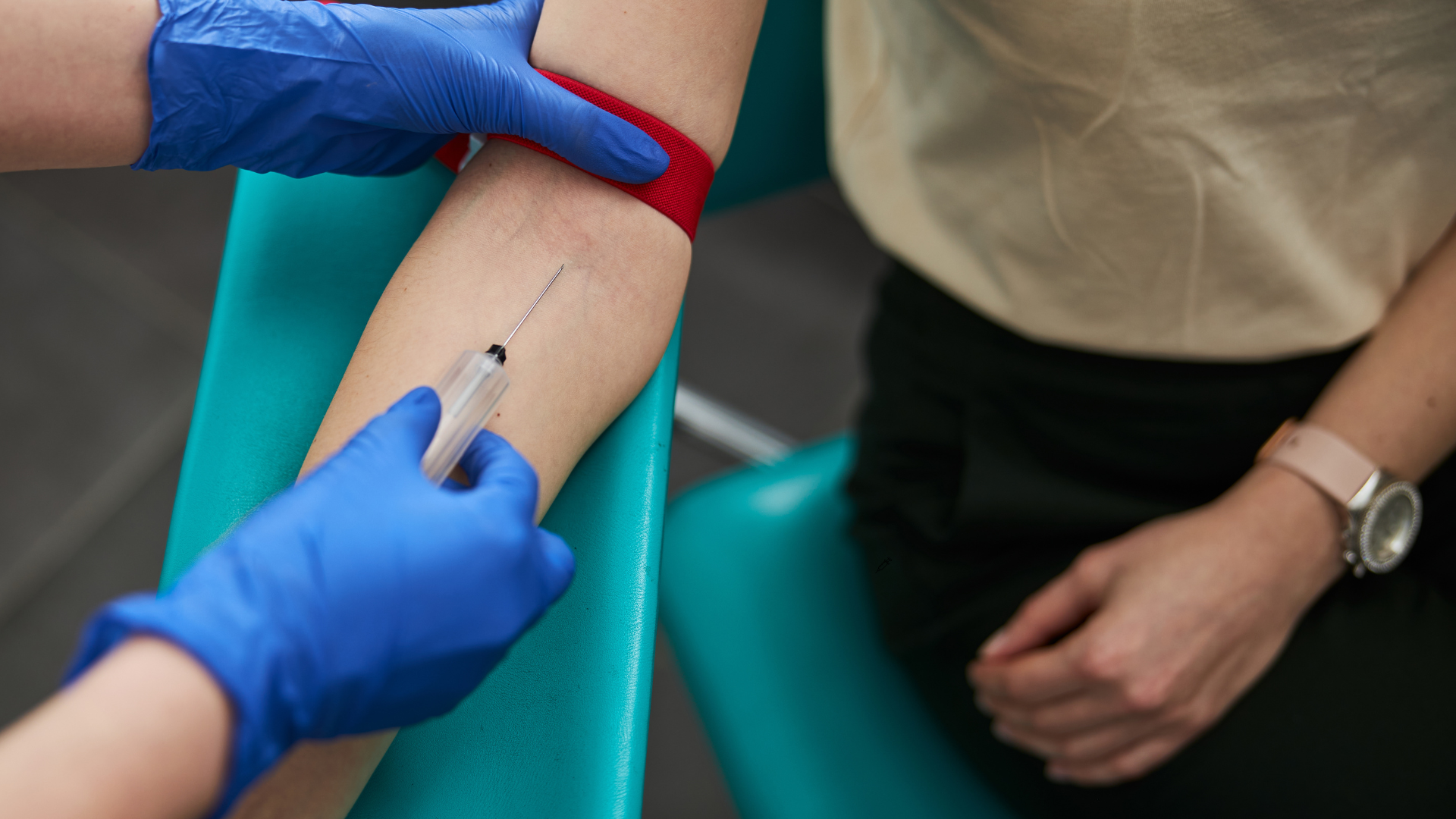
- Pathology request forms for blood or urine tests
- Diagnostic imaging referrals where appropriate
- Referrals to medical specialists
- Referrals to allied health professionals
These decisions are made following an assessment of your symptoms and medical history.
Managing Ongoing Health Conditions
For some patients, telehealth can provide a convenient option for reviewing stable, ongoing health conditions.
This may include discussing:
- Current symptoms
- Medication reviews
- Monitoring progress
- Lifestyle advice
- Management plans
Your doctor will advise whether telehealth is appropriate or whether an in-person consultation would be more suitable.
Who Can Benefit from Telehealth?
Telehealth can be particularly helpful for people who:
- Live in regional or remote areas
- Have busy work or family commitments
- Experience mobility challenges
- Find it difficult to attend a medical clinic during standard business hours
- Require follow-up care that does not involve a physical examination
For many Australians, telehealth offers greater flexibility while maintaining access to quality medical care.

When Is Telehealth Not Appropriate?
While telehealth is suitable for many non-urgent health concerns, some conditions require immediate in-person assessment.
You should seek urgent medical attention if you experience symptoms such as:
- Chest pain
- Difficulty breathing
- Sudden weakness or numbness
- Severe bleeding
- Loss of consciousness
- Signs of stroke
- Serious injuries
If you are experiencing a medical emergency, call 000 immediately or attend your nearest emergency department.
Accessing Healthcare Through Telehealth
Telehealth is now an established part of Australia's healthcare system, providing a convenient way to connect with an Australian-registered doctor for many everyday health concerns.
Following a consultation, your doctor can discuss your symptoms, provide medical advice, and, where clinically appropriate, arrange prescriptions, medical certificates, pathology requests, referrals, or recommend further assessment.
While telehealth cannot replace every face-to-face consultation, it offers a practical and accessible option for many non-emergency healthcare needs.